Sport-Marketing.
09.09.2025


From Stands To Screens: Behind The Fans Powering Women’s Football
Women’s football is experiencing a global surge with a growing, diverse, and deeply engaged fanbase. But who are these fans? What draws them in? And how are they consuming the game in today’s ever-changing media landscape? Recent research from SPORTFIVE reveals key insights into their demographics, motivations, and preferred media channels, crucial for brands and rights holders seeking to connect with this rapidly expanding audience.
Who are they?
Women’s football fans are diverse. They span all ages, genders, and backgrounds, though one of the most significant developments in recent years is the rise of female fans supporting women’s teams. According to data from UEFA and national associations, women now make up a growing percentage of match-going audiences, social media followers, and merchandise buyers across major leagues and tournaments.
Young women and girls are at the heart of this movement, many of whom didn’t grow up seeing themselves represented in the game but now find role models on and off the pitch. From teenagers who idolise the likes of Chloe Kelly and Alexia Putellas to mothers bringing their children to matches, the fanbase is increasingly family-oriented and community-driven.

At the same time, there’s a rising number of male fans who are genuinely invested in the women’s game, not as a “lesser” version of football, but as an exciting, competitive sport in its own right. SPORTFIVE's Women's Football Fan Survey found that the average gender of people interested in women's football was 52% male and 47% female, demonstrating that women's football is not only watched by women, but by everyone. This shift is helping to broaden the fan culture and normalise women’s football in the mainstream sporting landscape.
Why do they follow?
The motivations behind following women’s football are rich and varied:
• Representation: Many fans, especially women and girls, are drawn to the sport because they finally see athletes who they can relate to, achieving greatness on the world stage.
• Values and Culture: Women’s football is often perceived as more inclusive, community-focused, and less commercialised than the men’s game - a fresh alternative for disillusioned fans of the traditional football system.
• Quality of Play: As the sport develops, the standard of competition has reached new heights. Tactical sophistication, athleticism, and technical skill are on full display - especially in elite competitions like the Women’s Super League (WSL), NWSL, and UEFA Women’s Champions League.
• Storytelling: The players’ journeys, personal stories, and off-the-pitch activism resonate with fans. Whether it’s Megan Rapinoe speaking out for social justice or Leah Williamson sharing her injury comeback, these stories build emotional investment.
Why do they follow?
The motivations behind following women’s football are rich and varied:
• Representation: Many fans, especially women and girls, are drawn to the sport because they finally see athletes who they can relate to, achieving greatness on the world stage.
• Values and Culture: Women’s football is often perceived as more inclusive, community-focused, and less commercialised than the men’s game - a fresh alternative for disillusioned fans of the traditional football system.
• Quality of Play: As the sport develops, the standard of competition has reached new heights. Tactical sophistication, athleticism, and technical skill are on full display - especially in elite competitions like the Women’s Super League (WSL), NWSL, and UEFA Women’s Champions League.
• Storytelling: The players’ journeys, personal stories, and off-the-pitch activism resonate with fans. Whether it’s Megan Rapinoe speaking out for social justice or Leah Williamson sharing her injury comeback, these stories build emotional investment.
What do they like?
Women’s football fans value authenticity, access, and community. They appreciate clubs and federations that prioritise visibility, transparency, and fan engagement. Successful clubs often:
• Invest in behind-the-scenes content - showing the human side of athletes.
• Celebrate diversity and inclusion, not just on paper but in their operations and culture.
• Create accessible matchday experiences - affordable tickets, family-friendly environments, and stadiums that bring fans close to the action.
On social media, fans show strong preferences for player-led content, memorable moments, and real-time interactions. They’re not just following results - they’re engaging with the personalities, humour, and day-to-day life of the teams.
How do they consume?
The digital revolution has made women’s football more accessible than ever - and fans are taking full advantage:
• Streaming and Highlights: Platforms like DAZN, BBC iPlayer, and YouTube have become go-to destinations for watching matches, especially in countries where games aren’t widely televised.
• Social Media: Instagram, TikTok, and X (formerly Twitter) are central to the fan experience. From goal highlights and memes to interviews and matchday vlogs, fans crave a steady flow of content.
• Podcasts and Newsletters: Niche media outlets, fan-run blogs, and women’s football podcasts have created a grassroots ecosystem for in-depth analysis and community discussion.

• In-Person Attendance: Attendance at live games is on the rise, particularly in the UK, Spain, and the US. Many fans say they attend women’s matches because they’re more welcoming, affordable, and intimate than top-tier men’s games.
Looking Ahead
As brands, broadcasters, and governing bodies recognise the commercial potential of women’s football, the way fans are engaged will continue to evolve. But the core values - inclusion, community, and empowerment - remain central to what makes this fanbase special.
Understanding who these fans are and why they care isn’t just good marketing - it’s the foundation for building a sustainable future for the women’s game.
Click to read the original article
Kontakt
SPORTFIVE
Frederik Festner (Senior Director Marketing Communications)
E-Mail: frederik.festner@sportfive.com
Web: sportfive.com

Weitere Interessen:


WEITERE ARTIKEL

Sport als Entwicklungsinstrument für Unternehmenskultur
24.07.2026mehr lesen
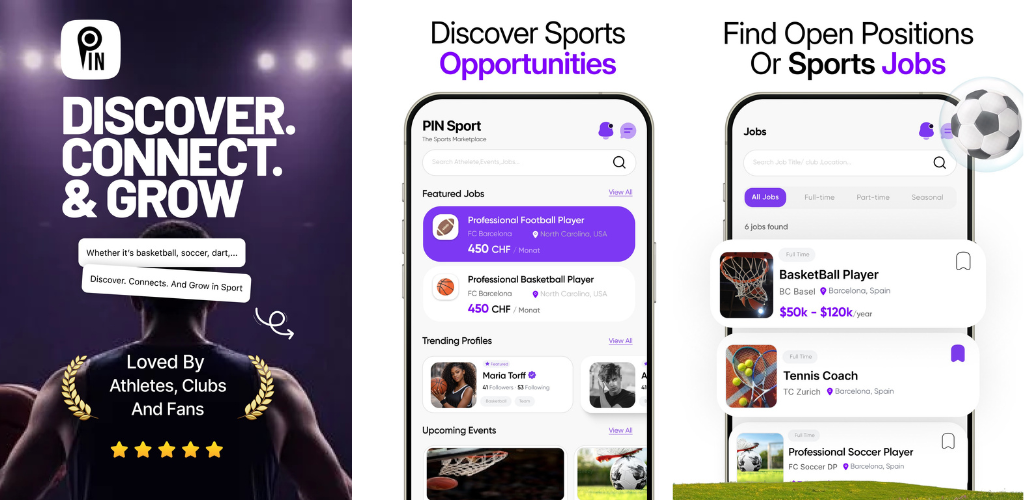
Sport-Recruiting neu gedacht: Plattform statt Post
21.07.2026mehr lesen

Relevanz statt Reichweite: Culture Marketing im Sport
15.07.2026mehr lesen